
When Should Your Child Have Their First Dental Visit?

Many parents wonder when to schedule that first dental appointment. It may seem early to visit a dentist when only a few baby teeth have appeared. Yet, those first visits play an important role in your child's lifelong oral health. Choosing pediatric dentistry in Russellville, AR, gives your child the opportunity to receive gentle, age-appropriate care while helping parents understand how to care for growing smiles at home.
A positive first experience can shape how a child feels about dental care for years. Regular checkups help prevent problems, monitor healthy development, and allow dentists to answer questions before small concerns become larger ones.
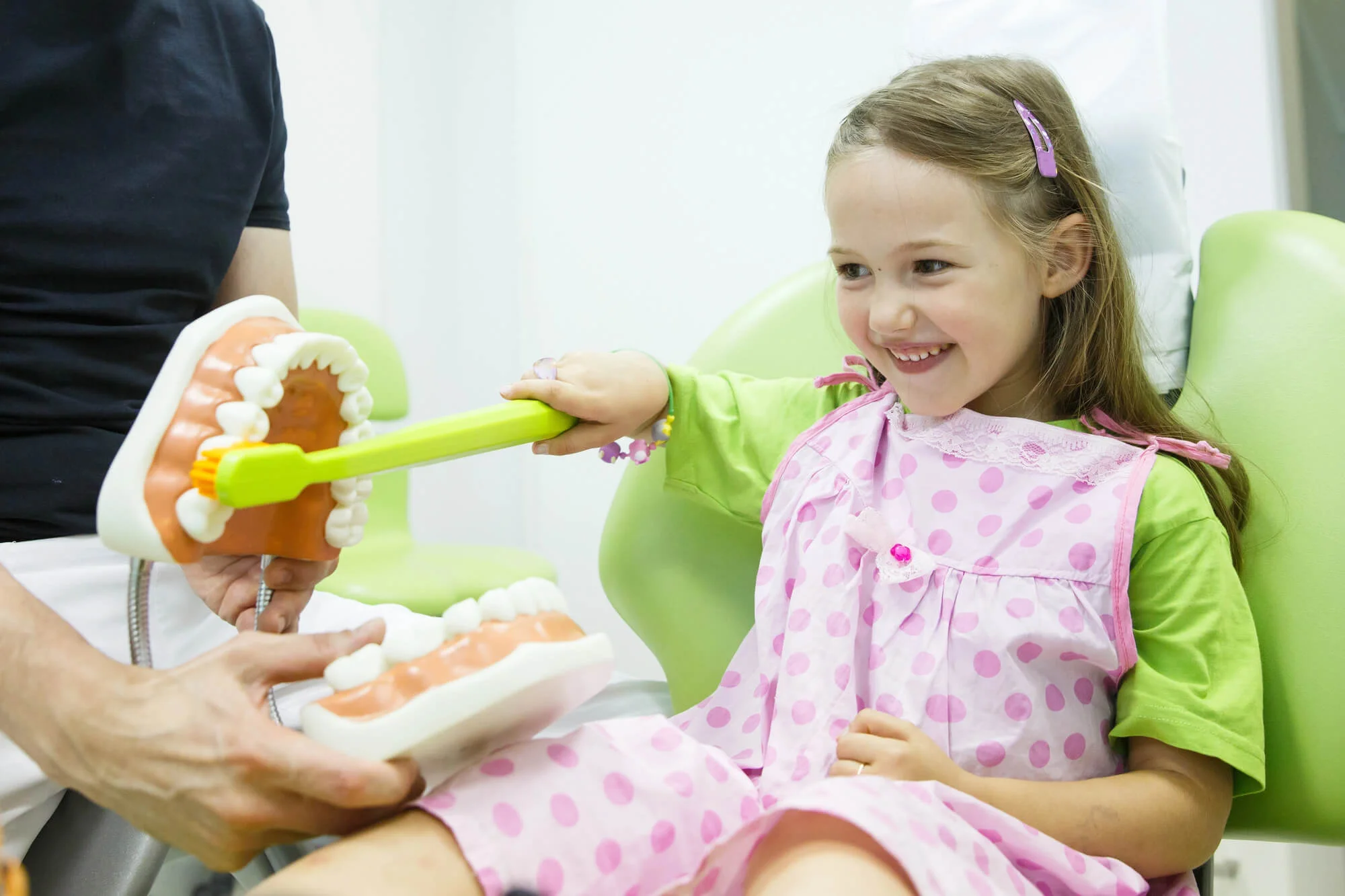
Why Your Child's First Dental Visit Matters
The Recommended Age for the First Visit
The American Academy of Pediatric Dentistry recommends scheduling a child's first dental visit by their first birthday or within six months after the first tooth appears. This timing surprises many parents, but baby teeth deserve attention from the very beginning.
Primary teeth help children chew properly, develop clear speech, and guide permanent teeth into their correct positions. Early visits also allow the dentist to identify concerns before they become painful or require more extensive treatment.
What Happens During the First Appointment?
The first visit is usually short and simple, designed to help your child feel comfortable. Depending on your child's age, the dentist may:
- Examine the teeth, gums, and jaw development.
- Check for signs of decay or other concerns.
- Gently clean the teeth if appropriate.
- Discuss brushing and flossing techniques.
- Answer questions about teething, thumb sucking, or pacifier use.
- Review nutrition habits that support healthy teeth.
Parents are encouraged to stay with their child throughout the visit to create a reassuring experience.
Building Confidence Early
Children often develop their attitude toward dental care during their earliest appointments. Friendly conversations, gentle treatment, and positive encouragement help reduce fear and build trust.
When children become familiar with the dental office before experiencing discomfort, future appointments often become much easier. Routine visits begin to feel normal instead of stressful.
Preventing Cavities Before They Start
Many people assume baby teeth are not as important because they eventually fall out. In reality, cavities can develop soon after teeth erupt.
Early dental visits help prevent decay by identifying risk factors such as:
- Frequent sugary snacks
- Bedtime bottles containing juice or milk
- Poor brushing habits
- Deep grooves in developing teeth
The dentist can recommend preventive treatments, including fluoride applications or dental sealants, when appropriate.
Guidance for Parents
Each stage of childhood brings new questions. During regular visits, parents receive practical advice tailored to their child's age.
Topics may include:
- Choosing the right toothbrush
- Fluoride recommendations
- Healthy snack choices
- Teething relief
- Managing thumb sucking
- Transitioning away from bottles and pacifiers
These conversations help families create healthy routines at home.
Frequently Asked Questions About Children's Dental Visits
1. What if my child only has one or two teeth?
Even one tooth can develop decay. Scheduling an early dental visit allows the dentist to examine oral development, discuss home care, and answer questions before problems begin. Early appointments are usually quick and comfortable. They also help your child become familiar with the dental office and build positive experiences that make future visits easier and less intimidating as they continue to grow.
2. How often should my child visit the dentist?
Most children benefit from dental checkups every six months. Some children with a higher risk of cavities may need more frequent visits. Regular appointments allow the dentist to monitor growth, clean the teeth, apply preventive treatments when needed, and identify small issues before they become larger concerns. Your dentist will recommend a schedule based on your child's individual needs and oral health.
3. How can I prepare my child for the first appointment?
Keep the conversation simple and positive. Explain that the dentist will count their teeth and help keep their smile healthy. Avoid using words that may sound frightening, even if you are trying to reassure them. Reading children's books about dental visits or pretending to visit the dentist at home can also help your child feel more comfortable before the appointment.
4. Are baby teeth really that important?
Absolutely. Baby teeth help children chew comfortably, speak clearly, and maintain space for permanent teeth. Untreated cavities can cause pain, infection, difficulty eating, and even affect the development of adult teeth. Keeping primary teeth healthy supports proper growth and reduces the likelihood of more complicated dental problems later in childhood. Early preventive care protects your child's smile throughout every stage of development.
5. What if my child cries during the visit?
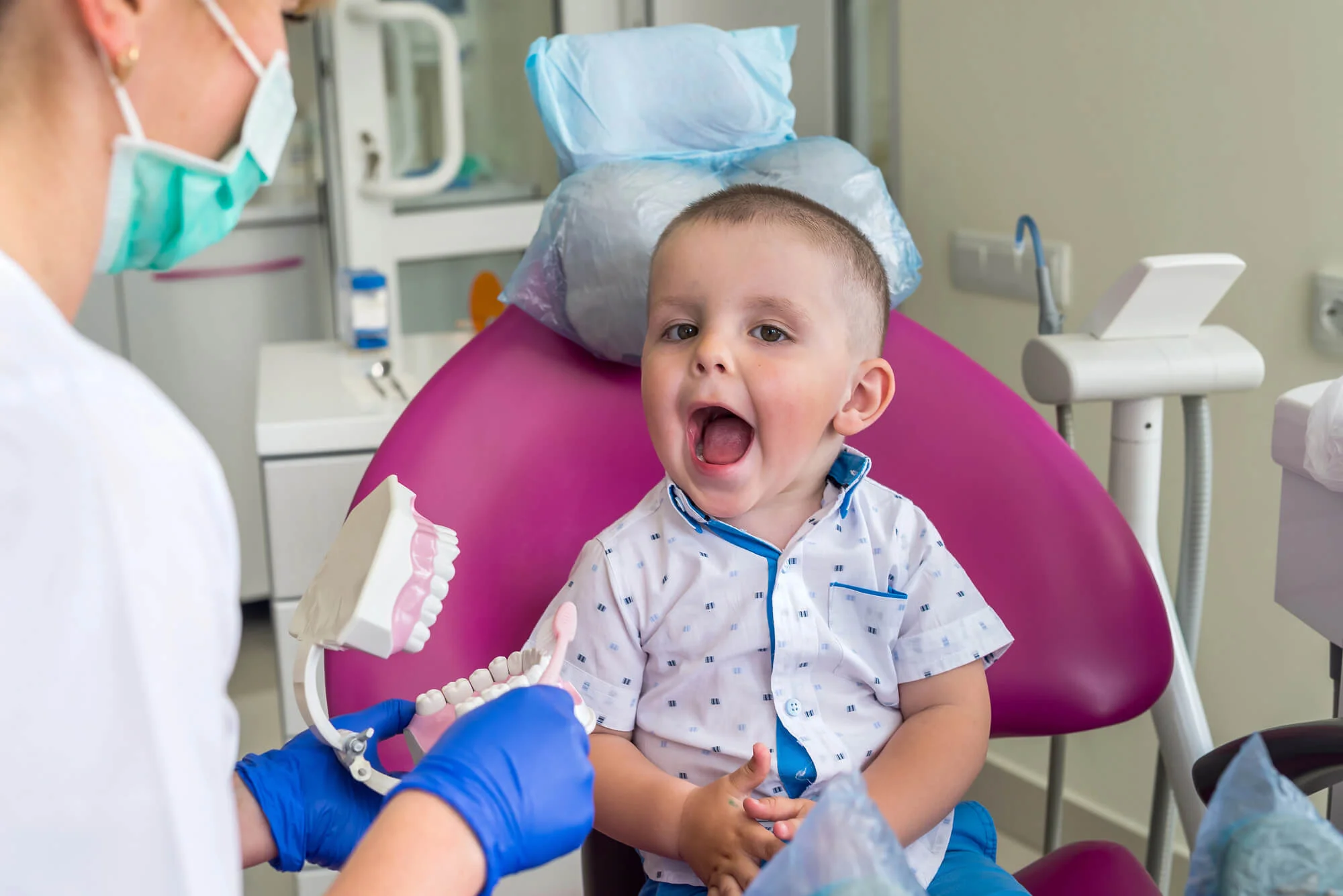
Crying is completely normal, especially for very young children experiencing a new environment. Pediatric dental teams work with children every day and know how to keep visits calm and reassuring. The goal is not perfection but the creation of positive experiences over time. Most children become more relaxed after a few visits as they grow familiar with the dental office and its friendly routine.
Signs It's Time to Schedule a Visit Sooner
While regular checkups are important, certain situations deserve prompt attention. Contact your dentist if your child experiences:
- A chipped or broken tooth
- Dental injuries from falls or sports
- Persistent bad breath
- Bleeding gums that continue after brushing
Early evaluation often prevents the need for more complicated treatment later.
Helping Your Child Develop Healthy Dental Habits
Daily habits make a tremendous difference in long-term oral health.
Encourage your child to:
- Brush twice each day using fluoride toothpaste.
- Floss once teeth begin touching.
- Drink plenty of water.
- Limit sugary drinks and sticky snacks.
- Eat fruits, vegetables, dairy products, and other nutritious foods.
- Wear a mouthguard during sports when appropriate.
- Visit the dentist consistently.
Children learn by watching adults. When parents demonstrate healthy habits, children often follow those examples naturally.
Every Child Is Different
Some children get teeth earlier than others. Some enjoy brushing right away, while others need more encouragement. Every smile develops at its own pace.
Regular dental visits provide personalized guidance based on your child's growth, oral development, and individual needs. This customized approach helps families make informed decisions while giving children the best possible start toward lifelong oral health.

Give Your Child the Best Start With Pediatric Dentistry in Russellville, AR
Starting dental care early is one of the simplest ways to protect your child's smile. Routine checkups help prevent cavities, encourage healthy habits, monitor development, and create positive dental experiences that last into adulthood.
If you're looking for compassionate pediatric dentistry in Russellville, AR, the team at Morgan Family Dental Group is ready to help your child feel comfortable while providing exceptional care every step of the way. Schedule your child's first visit today and help build the foundation for a lifetime of healthy smiles.