What Are Dental Implants and How Do They Work?
Are you missing a tooth or struggling with a denture that slips when you talk or eat? You're not alone. Many people want a long-lasting, comfortable solution that looks and feels like natural teeth. That’s where dental implants in Russellville, AR, come in. Designed to replace missing teeth from the root up, implants don’t just fill a gap; they restore comfort, confidence, and function. But what exactly are they, and how do they work?
What Are Dental Implants?

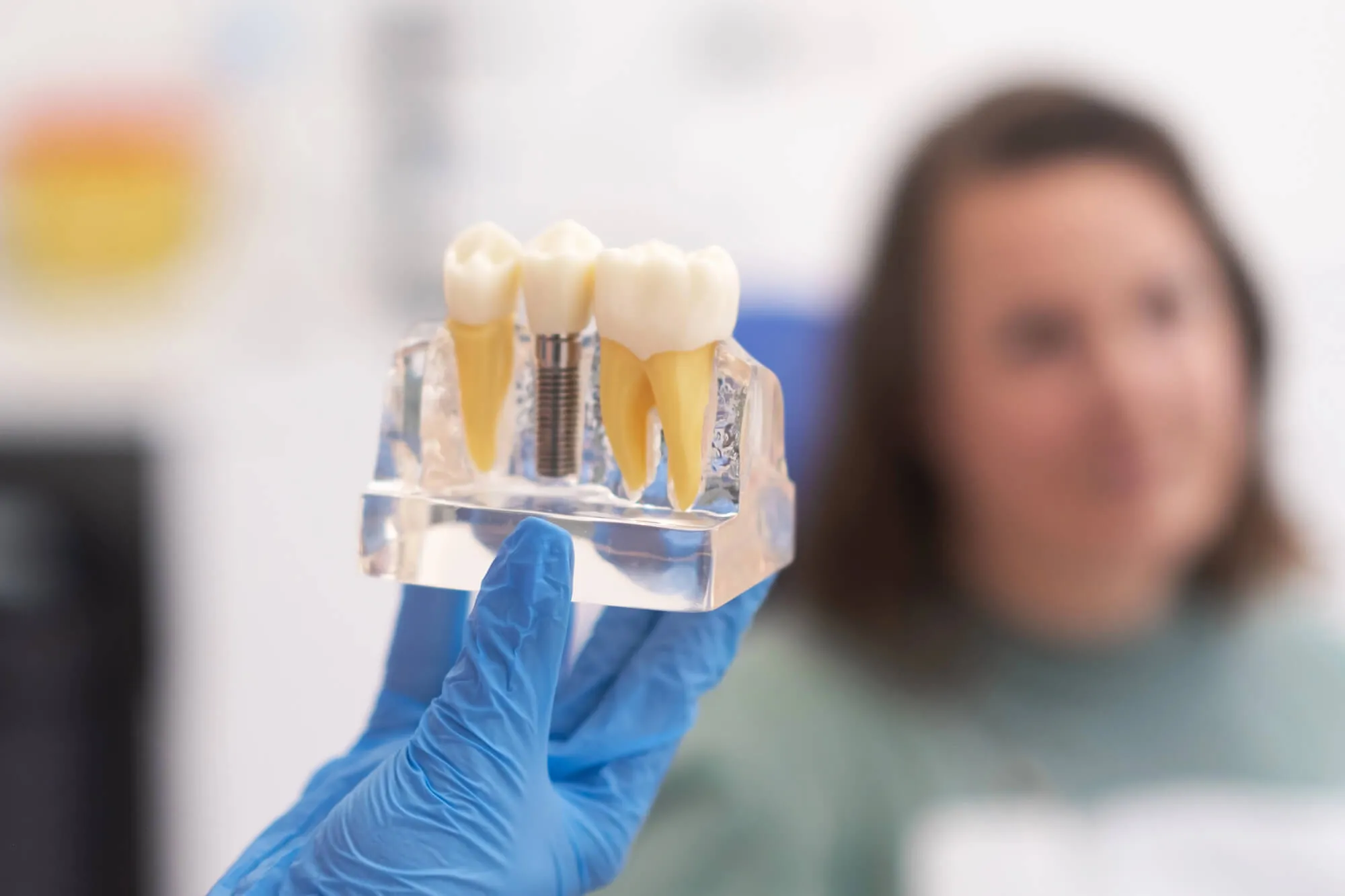
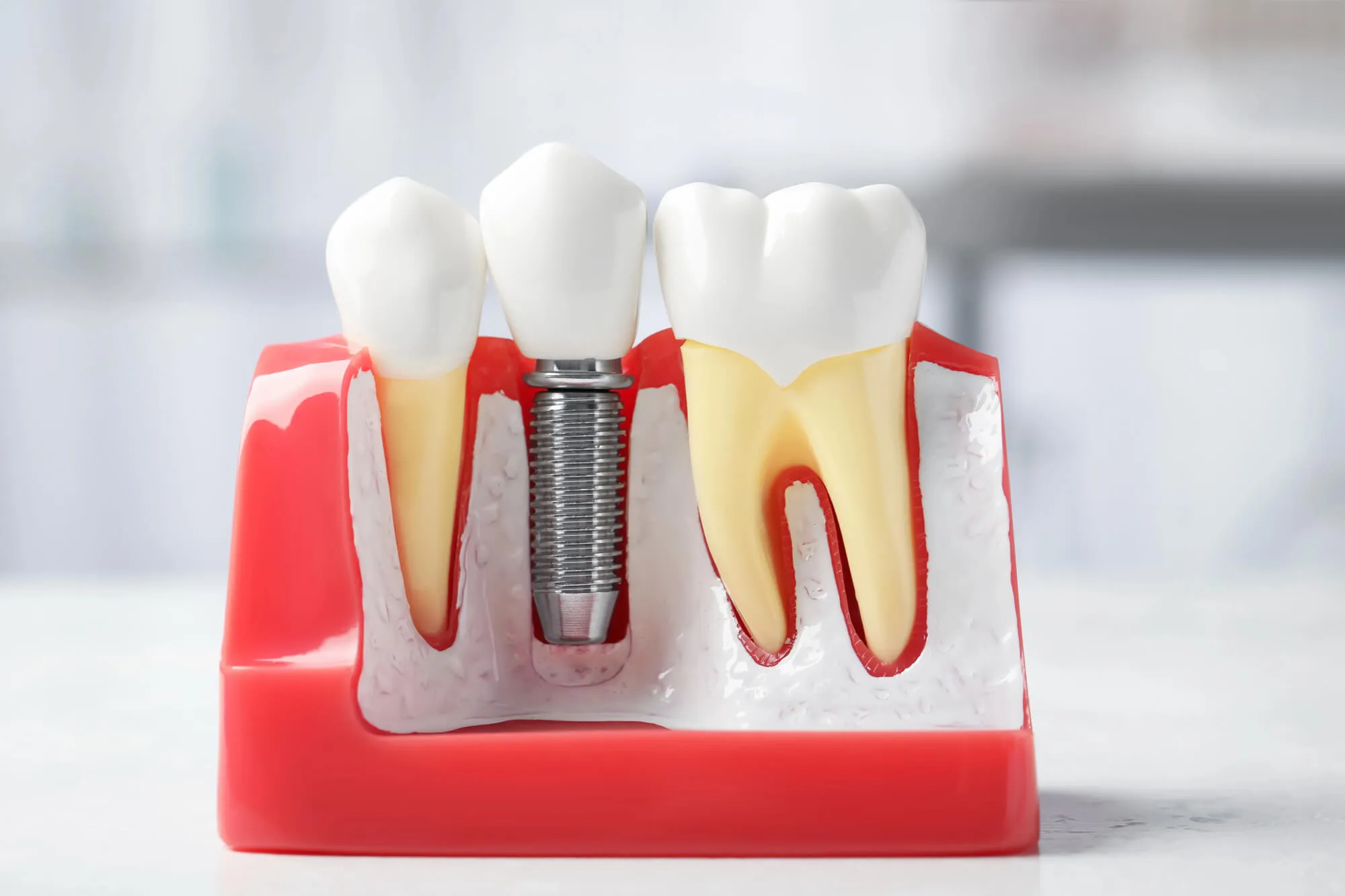
A dental implant is a small post, usually made of titanium, surgically embedded into your jawbone. This post replaces the root of a missing tooth. Once it integrates with the bone, a crown, bridge, or denture is attached to the top. The result is a natural restoration that functions like a real tooth.
Unlike removable options like dentures, implants stay securely in place. You won’t need adhesives and won’t have to worry about shifting or clicking while eating or speaking. Many patients say dental implants feel so natural that they forget they’re there.
How Do Dental Implants Work?
The process of getting a dental implant happens in several stages, often spread over a few months. Each step is carefully planned to ensure long-term comfort, function, and success.
Step 1: Consultation and Planning
It all begins with a comprehensive consultation. Your dentist will review your health history, take digital X-rays or 3D scans, and perform a full dental exam. This allows them to assess the health of your gums and the density of your jawbone.
If your bone has thinned due to previous tooth loss or gum issues, a bone graft may be needed to strengthen the area before implant placement. Every detail, from the angle of placement to the type of restoration, is carefully mapped out to ensure accuracy and predictability.
Step 2: Implant Placement
Once the treatment plan is finalized, the dental implant post is surgically placed into the jawbone. This titanium post acts as an artificial tooth root. The procedure is typically performed under local anesthesia, and most patients report minimal discomfort. After placement, the gum is usually closed over the implant to protect it during healing.
Step 3: Osseointegration and Healing
As the implant heals, it undergoes osseointegration. This means the surrounding bone gradually fuses with the implant, anchoring it securely in place. Healing usually takes several months. In the meantime, your dentist may place a temporary crown or bridge to maintain appearance and function.
Step 4: Abutment and Restoration
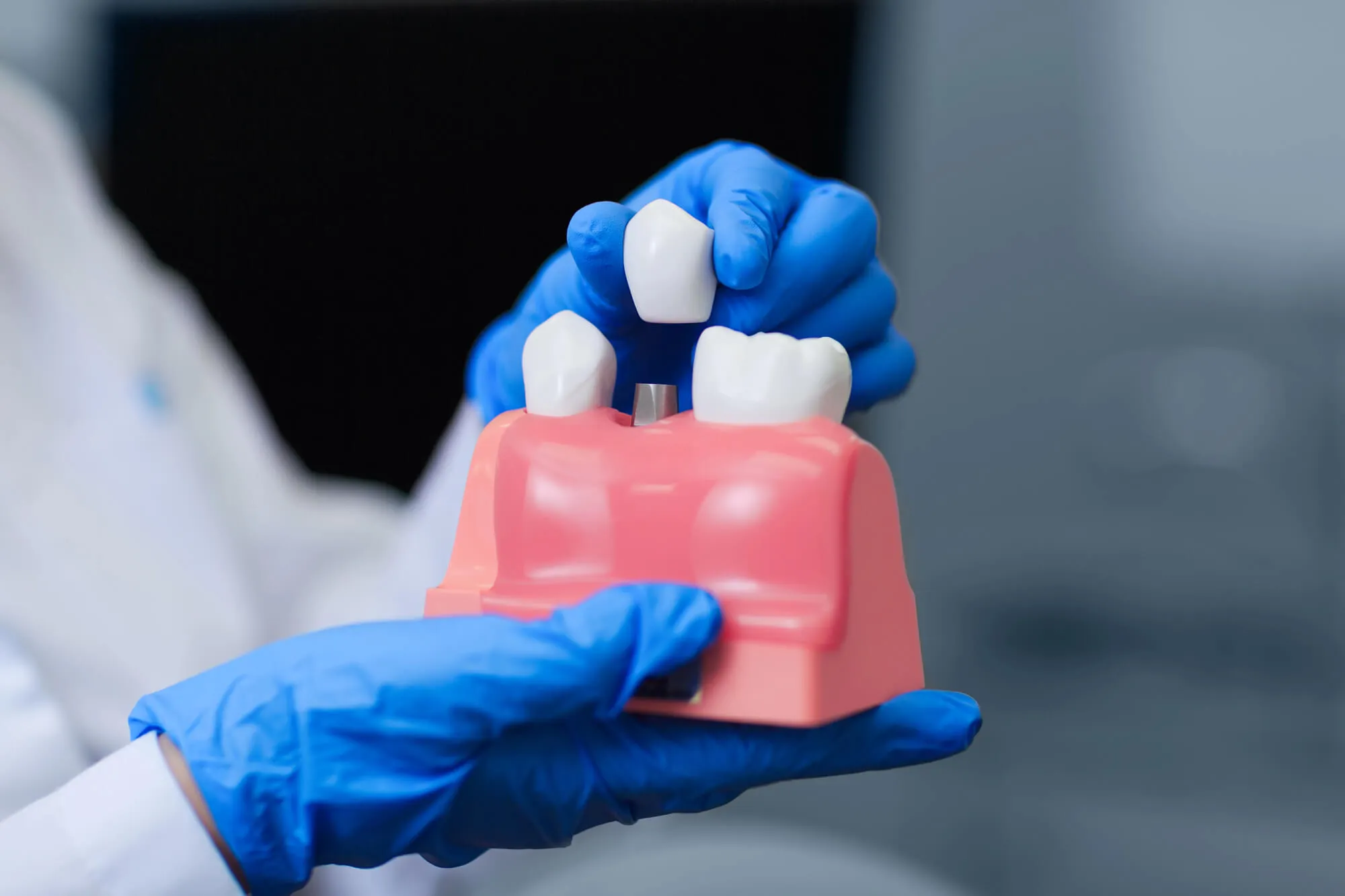
After integration, a connector piece called an abutment is attached to the implant. This supports the final restoration, whether a crown, bridge, or denture, which is custom-crafted to match your natural teeth in color, shape, and fit. The result is a fully functional, natural-looking tooth.
Why Patients Choose Dental Implants
Dental implants offer benefits that other tooth replacement options don’t provide.
Long-Term Durability
Implants are built to last. With proper care, they can last 15 to 25 years or more. Unlike bridges needing replacement or dentures that can wear down, implants are a long-term investment in oral health.
Improved Comfort and Function
Because implants are anchored into the bone, they feel and function like real teeth. There’s no slipping or rubbing, and you can enjoy eating foods that might be difficult with removable dentures.
Bone Preservation
Tooth loss causes the jawbone to shrink over time. Implants stimulate the bone just like natural tooth roots, helping maintain bone volume and facial structure. This can prevent the sunken look that sometimes occurs with long-term denture wear.
Natural Appearance
Implants are designed to blend in with your existing teeth. They restore not just your smile, but your confidence. Whether you’re speaking, laughing, or having a meal, no one can tell you have a replacement tooth.
Who’s a Good Candidate for Dental Implants?
Most healthy adults can qualify for dental implants. However, several important factors help determine whether the treatment is appropriate for you. Your dentist will perform a full evaluation to assess your readiness and overall oral health.
Healthy Gums and Bone
A strong jawbone is essential for supporting an implant. If bone loss has occurred—often due to missing teeth or advanced gum disease—a bone graft may be recommended to rebuild the area. Healthy gums are just as important. Inflammation or infection around the gums can increase the risk of complications, so any signs of gum disease will need to be treated before proceeding.
Good Oral Hygiene Habits
Dental implants require a long-term commitment to oral care. Brushing at least twice a day, flossing daily, and keeping up with routine dental checkups are key to avoiding implant-related complications. A clean, well-maintained mouth supports healing and reduces the chance of infection.
Medical Considerations
Certain health conditions can affect how well your body heals after implant surgery. Uncontrolled diabetes, autoimmune disorders, or tobacco use may increase the risk of implant failure. Your dentist will review your medical history and may collaborate with your physician to determine if implants are a safe and effective option.
What If You’re Missing More Than One Tooth?
Dental implants aren’t just for replacing single teeth. They can also support multiple missing teeth or full-mouth restorations.
Implant-Supported Bridges
If you’re missing several teeth in a row, implants can be used to support a bridge. This avoids relying on neighboring teeth for support, preserving more of your natural structure.
Full-Arch Replacement
Implants can anchor a full set of prosthetic teeth for patients missing all teeth in one or both jaws. These fixed-in-place restorations offer greater comfort and stability than traditional dentures.
How to Care for Dental Implants
Once your implant is placed, caring for it is simple.
- Brush twice daily using a soft-bristle toothbrush
- Floss once a day around the implant and between teeth
- Use a low-abrasive toothpaste to protect the crown
- Visit your dentist regularly for exams and professional cleanings
You can protect your investment and enjoy your new smile for many years with good habits.
Are You Interested in Getting Dental Implants in Russellville, AR?
If you’ve been dealing with tooth loss, it’s natural to want a solution that restores more than just your smile. Dental implants provide a stable, comfortable, and long-lasting option that helps you chew better, speak clearly, and feel more confident every day. They’re the closest thing to having your natural teeth back.
Our team at Morgan Family Dental Group offers comprehensive implant care with a focus on comfort and long-term success. If you're interested in dental implants, contact us today to schedule your consultation and get the personalized care you deserve.