Understanding Denture Options: What They’re Made Of and How to Choose

Do you know what’s worse than losing your teeth? Beyond the dip in confidence, everyday tasks like enjoying a meal or speaking clearly can suddenly feel challenging. Foods you once loved might be off the table, and conversations may feel awkward. Dentures offer a way to restore both function and appearance, helping you eat, speak, and smile with ease again.
If you’re considering dentures in Russellville, AR, understanding the materials and options available can help you choose the best for your needs.
What are Dentures?
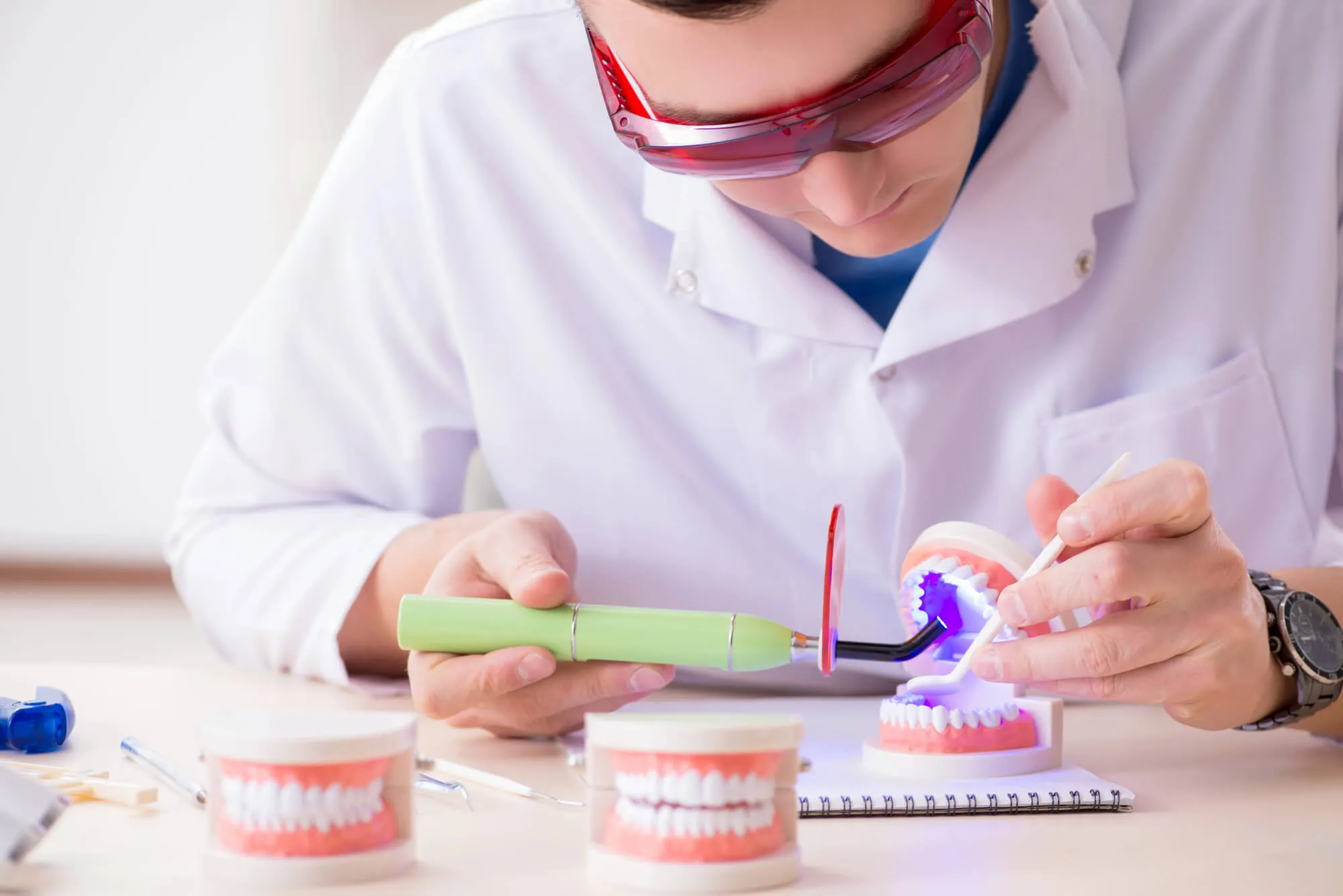
Dentures are removable dental appliances designed to replace missing teeth and the surrounding tissues. They restore the appearance of a full smile and help improve everyday functions like chewing and speaking. Dentures are custom-made to fit comfortably in the mouth and are supported by the gums and jawbone.
They can replace some or all teeth, depending on a person’s needs, and are shaped to look natural. With proper care, dentures can offer a reliable way to regain both confidence and function.
What Are Dentures Made Of?
Modern dentures are far from the bulky, artificial-looking ones people remember from decades ago. Advances in dental materials have made them more comfortable, realistic, and durable. Here’s what goes into most dentures today:
Acrylic Resin
Acrylic resin is a lightweight, gum-colored material often used for the denture base. It’s affordable, easy to adjust, and offers a natural look. Many full dentures rely on acrylic bases because they can be customized to match your gum tissue shade.
Porcelain
Porcelain is used for denture teeth when a more natural translucency and appearance are desired. It’s harder than acrylic, making it resistant to staining, but it can be more brittle if dropped. Porcelain teeth also mimic the way natural teeth reflect light, giving a lifelike result.
Composite Resin
Composite resin teeth are another popular choice. They offer a balance between durability and aesthetics, with less risk of wear on any remaining natural teeth.
Metal Framework
Partial dentures often include a lightweight metal framework, usually made of cobalt-chromium. This adds strength and stability without making the appliance too heavy. The metal is covered with gum-colored acrylic for a discreet appearance.
Types of Dentures
The right type for you depends on how many teeth are missing, the condition of your gums and jawbone, and your personal preferences.
Full Dentures
Full dentures replace all teeth in the upper or lower jaw. They rest directly on the gums and are custom-made for a secure fit. They’re a good choice if most or all of your teeth are missing or need to be replaced.
Partial Dentures
Partial dentures fill gaps when some natural teeth remain. They attach to the surrounding teeth with clasps or precision attachments, helping maintain your bite alignment.
Immediate Dentures
These are placed right after teeth are removed, so you don’t have to go without teeth during the healing period. However, adjustments are often needed as your gums change shape during recovery.
Implant-Supported Dentures
These are anchored to dental implants placed in the jawbone. They offer excellent stability, improved chewing ability, and a natural feel, but require a surgical procedure to place the implants.
How to Know Which Type is Right for You
Choosing dentures goes beyond replacing missing teeth—it’s about selecting an option that feels comfortable, functions well, and complements your appearance.
Consider Your Daily Routine
If you enjoy a wide range of foods, a stable choice like implant-supported dentures can provide better chewing ability. Traditional full or partial dentures may be more practical if you need a quicker and more budget-conscious option.
Think About Longevity
Porcelain teeth are more resistant to staining and wear, making them a durable choice. Acrylic teeth, on the other hand, are gentler on opposing natural teeth, which may help preserve your oral health. For partial dentures, a metal framework can improve strength and extend the appliance’s lifespan.
Factor in Comfort
Comfort depends on proper fit. Your dentist will take detailed measurements to create dentures that sit securely. Over time, adjustments may be needed to prevent sore spots or changes in speech.
Aesthetic Goals
Dentures can replicate your natural teeth or be tailored to enhance your smile. Consider shade, tooth size, and shape with your dentist to achieve the look you want.

Caring for Dentures
No matter which type you choose, proper care is essential for extending their lifespan and maintaining your oral health.
Daily Cleaning
Clean your dentures daily with a soft-bristled brush and a non-abrasive cleanser to remove food particles and plaque. Avoid regular toothpaste, as it can scratch and damage the surface. Rinse your dentures thoroughly after eating to help prevent staining and bacterial buildup.
Soaking Overnight
When not in use, dentures should stay moist to keep their shape. Place them in a denture-cleaning solution or plain water overnight. Never use hot water, which can warp the material.
Regular Dental Visits
Even if you have full dentures, routine dental checkups remain important. Your dentist will evaluate the fit, look for signs of wear, and check your gums and other oral tissues for any changes that could affect comfort or health.
Common Concerns About Dentures
Will They Look Natural?
Today’s materials and custom fabrication techniques allow dentures to be designed with natural gum tones and lifelike tooth shapes. Many people find that their dentures look so real that others can’t tell the difference.
How Long Do They Last?
On average, dentures last 5–10 years. Over time, natural changes in your mouth may require adjustments or replacements.
Will I Need Adhesive?
Well-fitting dentures shouldn’t require adhesive for everyday use, but some people choose to use it for added security.

Do You Need Dentures in Russellville, AR?
Restoring your smile isn’t just about appearance; it’s about comfort, function, and overall well-being. Whether you’ve lost a few teeth or all of them, the right denture solution can help you eat, speak, and smile with confidence again. With today’s advanced materials and design options, dentures can be customized to look natural, feel comfortable, and fit your lifestyle.
At Morgan Family Dental Group, our goal is to provide personalized care that supports your oral health at every stage of life. From initial consultation to final fit, we focus on your comfort, preferences, and long-term satisfaction. Contact us today to schedule an appointment and find out which denture option is right for you.