The Truth About Veneers: What They Fix and What They Don’t
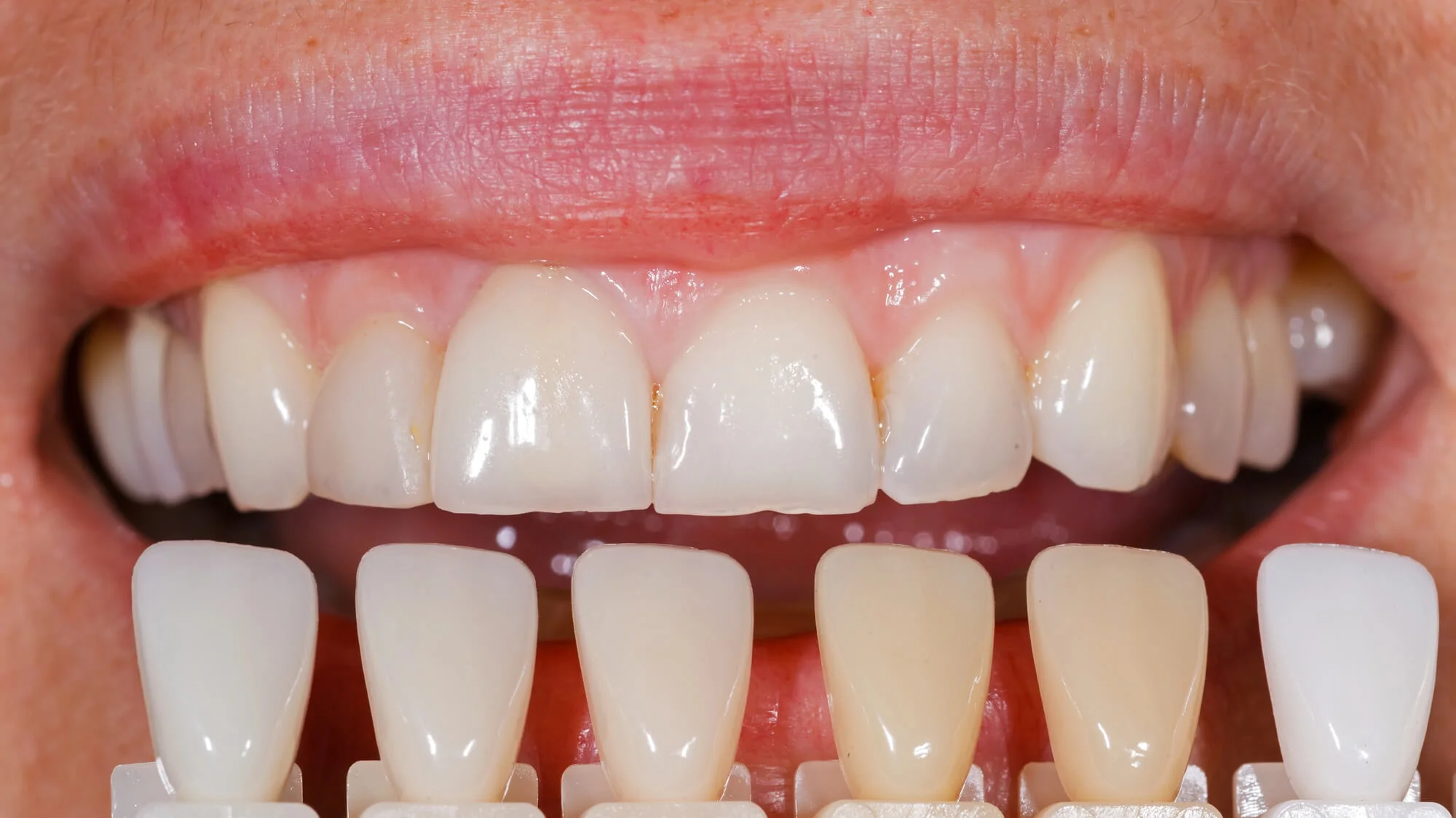
When people begin researching cosmetic dentistry, veneers often come up early in the conversation. For anyone exploring veneers in Arkansas, the appeal is easy to understand. Veneers promise a brighter, more balanced smile with minimal disruption to daily life. Still, confusion is common. Some people believe veneers can fix every dental concern, while others hesitate because they are unsure what results are realistic.
The truth sits comfortably in the middle. Veneers can be a powerful solution for specific cosmetic issues, but they are not designed to solve every oral health problem. Understanding what veneers do well, and where their limits exist, helps patients make confident, informed decisions about their smiles.

What Veneers Can and Cannot Do for Your Smile
How Veneers Improve Appearance
Veneers are thin shells, often made of porcelain or composite material, that bond to the front surface of teeth. Their purpose is cosmetic enhancement. They are crafted to improve color, shape, and overall harmony of the smile. Dentists carefully design veneers to complement facial features and natural tooth structure, which is why results often look subtle rather than artificial.
One of the strongest advantages of veneers is how efficiently they address surface-level concerns. Teeth that appear worn, uneven, or dull can look refreshed without extensive procedures. Because veneers cover only the visible portion of the tooth, they allow for noticeable improvement while preserving much of the natural structure underneath.
Cosmetic Concerns Veneers Commonly Fix
Veneers are most effective when the issue involves appearance rather than function or health. They work well for many patients who want visible change without orthodontics or whitening treatments that no longer deliver results.
Veneers commonly help with:
- Deep stains that do not respond to professional whitening
- Small chips or minor cracks
- Uneven or slightly misshapen teeth
- Gaps between teeth that are cosmetic rather than structural
- Mild crowding where teeth overlap just slightly
For these concerns, veneers offer a predictable and long-lasting improvement. Many patients appreciate that results are immediate once placement is complete.
What Veneers Are Not Designed to Fix
While veneers are versatile, they are not a cure-all. They do not correct major bite problems, severe crowding, or underlying oral health conditions. If teeth are significantly misaligned or if gum disease is present, those issues must be addressed before cosmetic options are considered.
Veneers also cannot strengthen weak teeth or replace missing enamel caused by advanced decay. They are bonded to existing tooth surfaces, which means the foundation must be healthy. When used appropriately, veneers enhance what is already stable rather than compensating for deeper dental problems.
The Importance of Tooth Health First
Healthy teeth and gums are essential before any veneer procedure begins. Dentists often recommend resolving cavities, gum inflammation, or bite concerns prior to cosmetic treatment. This approach protects long-term outcomes and prevents future complications.
Veneers placed on unhealthy teeth may look good initially, but they are more likely to fail over time. Addressing oral health first ensures veneers last as intended and function comfortably.
Veneers Versus Other Cosmetic Options
Veneers are one of several cosmetic solutions available. Whitening, bonding, and orthodontic treatments each serve different purposes. Choosing veneers over alternatives depends on the specific concern and desired outcome.
Compared to other options:
- Whitening improves color but not shape or spacing
- Bonding repairs minor flaws but may stain or wear faster
- Orthodontics correct alignment but take more time
Veneers often appeal to patients seeking comprehensive visual improvement in a shorter timeframe. Still, a personalized evaluation helps determine the most appropriate solution.

Longevity and Daily Care Expectations
Veneers are durable, but they require mindful care. Porcelain veneers typically last many years with proper maintenance. Composite veneers may have a shorter lifespan but still offer reliable results for the right candidates.
Patients should maintain good oral hygiene, attend regular dental visits, and avoid habits like biting hard objects. While veneers resist staining better than natural enamel, routine care preserves their appearance and function.
Good habits that support veneer longevity include:
- Brushing and flossing consistently
- Wearing a night guard if grinding occurs
- Avoiding excessive pressure on front teeth
- Scheduling regular professional cleanings
These steps protect both veneers and natural teeth beneath them.
Managing Expectations About Results
One of the most important parts of choosing veneers is understanding what results will look like. Veneers enhance, not replace, natural features. Dentists aim for balance, proportion, and a natural finish rather than an overly bright or uniform appearance.
Open communication during the planning phase allows patients to express goals and concerns. Shade selection, shape, and overall design are discussed carefully to ensure the final smile feels authentic and comfortable.
Emotional and Lifestyle Benefits
Beyond appearance, veneers often bring emotional benefits. Many patients report increased confidence in social and professional settings. Smiling feels easier when self-consciousness fades. These changes may seem subtle but often influence daily interactions in meaningful ways.
Confidence gained from cosmetic improvements can support better oral care habits as well. Patients who feel proud of their smiles often stay more consistent with dental visits and hygiene routines.
Who Is a Good Candidate for Veneers
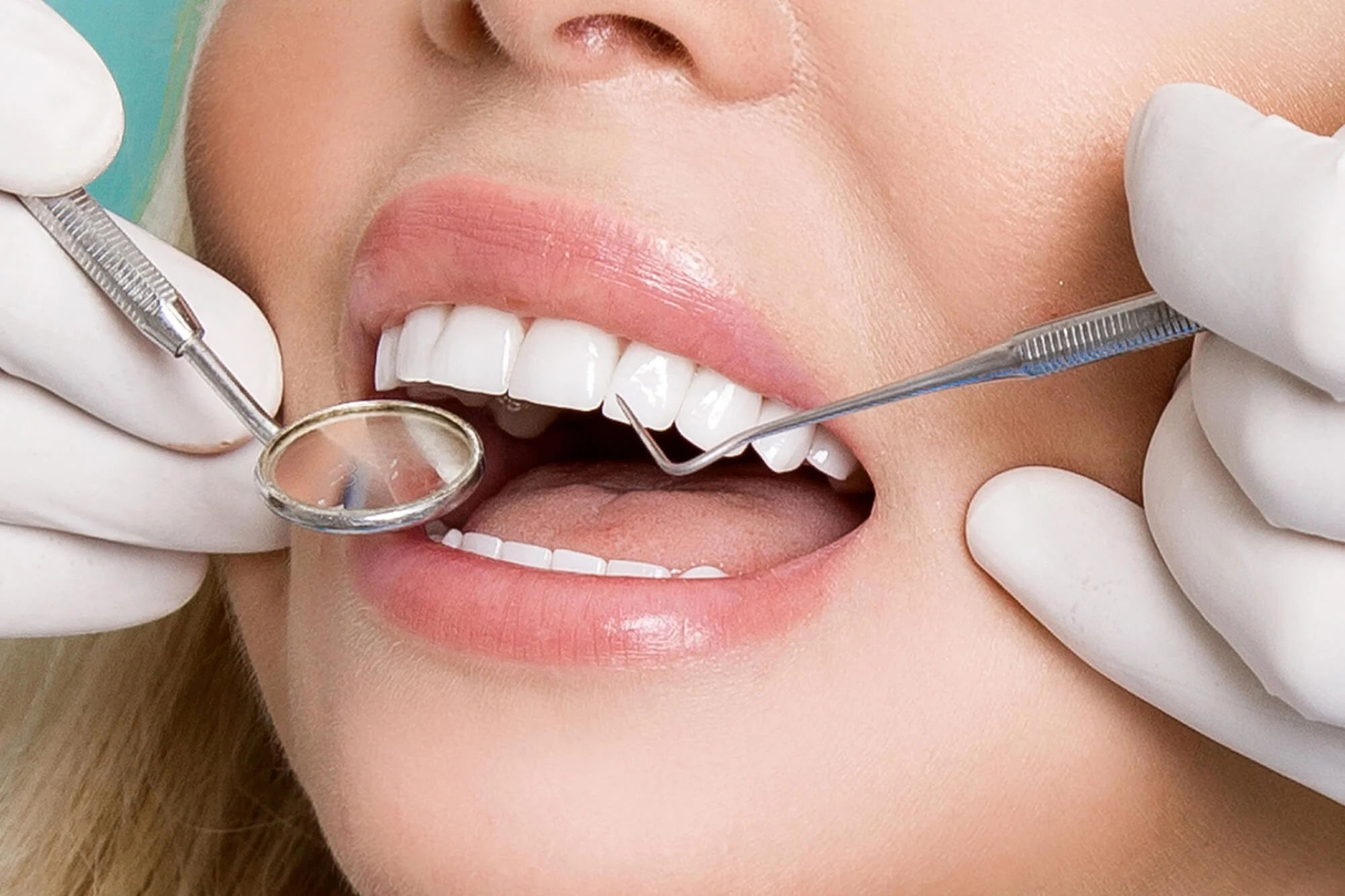
Not everyone needs veneers, and not everyone is an ideal candidate. Patients with realistic expectations, good oral health, and cosmetic goals aligned with veneer capabilities often see the best outcomes. A consultation allows dentists to evaluate enamel thickness, bite alignment, and overall suitability.
When veneers are recommended thoughtfully, they integrate smoothly into a broader dental care plan rather than standing alone as a quick fix.
Making Confident Choices About Veneers in Arkansas
Choosing cosmetic dentistry should feel empowering, not overwhelming. Learning the truth about what veneers can and cannot do helps patients approach the decision with clarity. For those considering veneers in Arkansas, working with a dental team that values education and transparency makes the process more comfortable and rewarding.
If you are curious about how veneers might fit into your smile goals, the team at Morgan Family Dental Group is ready to help. Schedule a consultation to explore personalized options, ask questions, and take the next step toward a confident, natural-looking smile.